
Filter content
Technology and flamenco: new ways of learning flamenco
Teatro Flamenco Málaga explains how digital innovation is transforming flamenco teaching without losing its essence
Technology has begun to play an interesting complementary role, opening new ways for more people to learn flamenco from anywhere in the world.
Oral and presencial traditions
During decades, flamenco has been taught face-to-face: in academies, in associations, in family gatherings or in tablaos. The familiarity between maestro and student has always been important, as is the observation of rhythms, gestures and lamentations. This form of teaching continues to be the beating heart of flamenco.
However, there is something that can’t be ignored, technology can help to spread and preserve flamenco, especially for those who don’t have access to this traditional flamenco environment.
Digitalisation as a gateway to flamenco
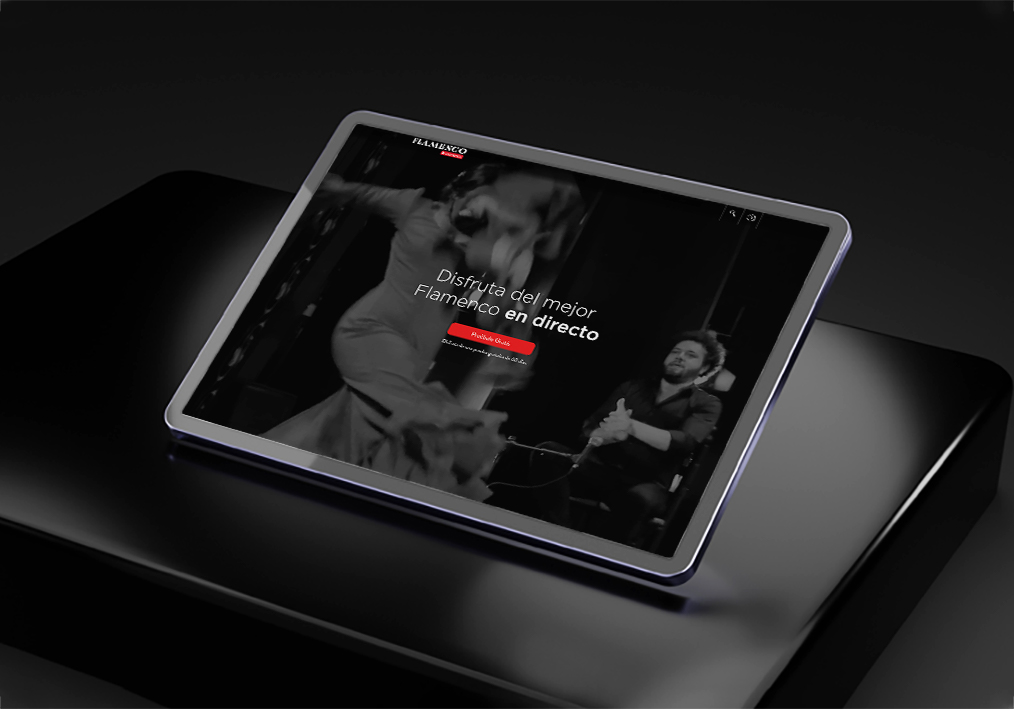
Digital platforms such as the Flamenco Channel, promoted by flamenco theatres, including Teatro Flamenco Málaga, offer educational and informative content which allow people from all over the world to access world-class, high quality flamenco. Online classes, interviews with flamenco artists, visual resources and analysis of rhythm and flamenco styles are combined to make a useful, accessible tool for those people who are beginning their flamenco journey and those who want to continue learning.
Thanks to this type of initiative, flamenco crosses borders without leaving behind its roots. It is no substitute for a live flamenco experience but it does accompany flamenco teaching and enriches the journey for students all over the world.
Hybrid training: a common formula
In many academies and flamenco schools, in Málaga and elsewhere, hybrid training models are in place. This means that students can combine in-person classes with digital content. They can practise techniques, continue to learn from home and stay in touch with their teachers, even if they are travelling or live far away.
From musical theory through to how to position the body for flamenco dancing, digital tools allow for complementary, in-depth training which often reinforces what has been taught in the classroom or the rehearsal.
More accessibility, more community
One of the biggest advantages of this type of content is accessibility. Thanks to Flamenco Channel, for example, people with no possibility to learn flamenco can do so without geographic barriers. This helps to create a wider and more diverse community, united by its interest in flamenco, whether from Tokyo, New York or Buenos Aires.
In addition, platforms like this allow flamenco fans to get to know the context of flamenco: its styles, artists and its history, and, of course, the more knowledge there is about flamenco, the bigger the respect for and interest in this art form.
Málaga: land of flamenco and of the future
In Málaga, you can feel flamenco in the atmosphere. For this reason, from our theatre, we celebrate that tradition and innovation can walk together and the sound of stamping feet and flamenco singing is not lost, but can still be found in more corners, whether on a live stage or on a screen.
Teatro Flamenco Málaga actively takes part in this dialogue between classic art and new technologies, firm in the conviction that all tools that bring people closer to flamenco are welcome.