Filtrar contenido
Palos flamencos: las Alegrías
Uno de los palos flamencos con más historia
Las alegrías, uno de los palos flamencos más antiguos y conocidos a nivel mundial, se destacan por su espíritu festivo y su rica historia. Originarias de Cádiz y los puertos cercanos, estas composiciones reflejan el alma vibrante y alegre del pueblo gaditano. Como uno de los palos más significativos dentro del conjunto de las cantiñas, las alegrías se han convertido en una expresión emblemática del flamenco. Su nombre no es casualidad: evoca la celebración, el júbilo y la fiesta, elementos que son el corazón de este estilo.
El origen de las Alegrías
Las alegrías están profundamente enraizadas en la tradición flamenca, y su historia es un crisol de influencias musicales. Desde las seguiriyas hasta las coplas romanceadas y los fandangos gaditanos, este palo ha absorbido elementos de diversas fuentes. Su origen se remonta a la jota, un género traído a Cádiz durante la ocupación francesa. Las primeras letras de las alegrías reflejaban la devoción por la Virgen del Pilar, el río Ebro y las tierras de Navarra, una clara influencia de la jota aragonesa.
Con el paso del tiempo, esta forma musical fue evolucionando, adaptándose a la cultura gaditana y transformándose en lo que conocemos hoy como alegrías. El célebre tema "Yo le di un duro al barquero", popularizado por "La Niña de los Peines", es un claro ejemplo de esta evolución. Durante el siglo XIX, las jotas gaditanas experimentaron una metamorfosis, incorporando elementos del flamenco y ajustando su ritmo al de la soleá, lo que les permitió diferenciarse de otros palos más solemnes y dramáticos.
Fue en este contexto que figuras como Paco Hidalgo y El Quiqui comenzaron a referirse a este estilo como "alegría", describiéndolo como un canto alegre y festivo. A finales del siglo XIX, Enrique El Mellizo fue clave en moldear las alegrías hacia su forma flamenca característica, un legado que continuó en la obra de cantaores como Romero El Tito, José Ortega, Gabriela Ortega y Macaca.
La estructura poética de las alegrías, compuesta por cuatro versos octosílabos, sigue el modelo de la seguiriya clásica, con una copla y un estribillo que capturan la esencia misma de este palo flamenco.
Características distintivas de las Alegrías flamencas
Las alegrías destacan por su alegría contagiosa y por sus elementos característicos que las diferencian de otros palos flamencos. Una de las señas de identidad más reconocibles es el "tirititrán, tran, tran", una frase que resuena en las mentes de quienes han escuchado este palo.
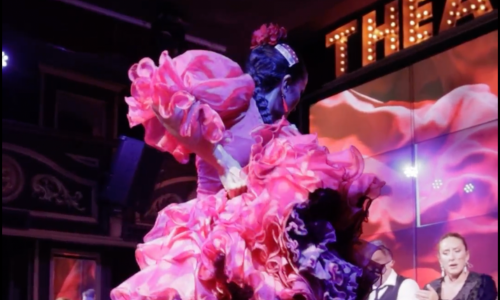
El vestuario también es un aspecto importante en las alegrías. Las bailaoras suelen llevar vestidos largos hasta los tobillos, adornados con volantes y decorados con cintas o encajes. Las mangas pueden ser largas o cortas, con detalles abullonados o con volantes, y las mantillas, decoradas con bordados florales y largos flecos, completan un conjunto elegante y tradicional. Los accesorios, como flores, peinetas, zapatos de tacón y pendientes de coral, añaden un toque final de autenticidad al atuendo.
Dentro de la vasta gama de palos flamencos, las alegrías poseen características que las hacen únicas. Aunque comparten el compás con la soleá, las alegrías se tocan a un ritmo mucho más rápido, lo que las convierte en un palo de fiesta, ideal para estimular el baile y la diversión. Este estilo rítmico es esencial en cualquier celebración flamenca, y a menudo se complementa con bulerías para mantener un ambiente festivo y animado.
El baile por alegrías es una de las expresiones más antiguas del flamenco, y su interpretación es una fusión compleja y emocionante de cante y baile flamenco. La estructura del baile se desglosa en varias fases que llevan al espectador a través de un viaje emocional:
- Apertura: El baile comienza revelando la esencia y estableciendo el tono para la actuación.
- Llamadas: Una serie de movimientos diseñados para captar la atención del público y marcar el ritmo.
- Desplantes: Movimientos intensos entre las estrofas del cante que añaden pasión al baile.
- Escobilla: La sección en la que el zapateado alcanza su máxima expresión, mostrando una combinación de ritmo y habilidad técnica.
- Silencio del Cante: Un momento de pausa donde el baile asume el papel protagonista, permitiendo al bailaor mostrar su destreza y sensibilidad artística.
- Conclusión: El baile culmina con un último desplante o una salida por bulerías, cerrando la actuación con energía y emoción.
Aunque el baile por alegrías puede parecer desafiante al principio, con dedicación y práctica se convierte en una experiencia gratificante y enriquecedora en el mundo del flamenco.
Si deseas disfrutar de las alegrías y otros palos flamencos, acompañado por el compás de la guitarra, el ritmo del cante y la danza de nuestros artistas, no te pierdas la oportunidad de sumergirte en un espectáculo en directo en el Teatro Flamenco Málaga.